A poor auto glass fitment can compromise vehicle safety, reduce visibility, and affect structural integrity during an accident.
This blog explains how to recognise warning signs after a windscreen replacement, why installation quality matters, and what steps to take if something feels wrong. Spotting issues early ensures vehicle safety, proper auto glass repair, and prevents costly future replacements.
Importance of Proper Installation
A windscreen does far more than shield you from wind and debris. It plays a critical structural role in your vehicle.
During a collision, the windscreen supports the roof's strength and helps maintain the cabin's integrity. If the fitting is poorly done, the glass may detach on impact — dramatically increasing injury risk.
Modern vehicles are even more complex. Many cars rely on Advanced Driver Assistance Systems cameras mounted behind the windscreen. These systems manage lane assist, emergency braking, and collision alerts. If a windscreen installation is slightly misaligned, ADAS calibration can be thrown off — impacting performance.
Proper auto glass repair isn't cosmetic. It directly affects:
- Vehicle structural integrity
- Correct airbag deployment
- Driver visibility
- Passenger protection
- Advanced Driver Assistance Systems performance
Meeting Australian Safety Standards is not optional. It’s essential.
Are You at Risk of Bad Installation?
Not every vehicle carries the same risk — but some are more vulnerable than others.
You may face a higher risk if you own:
- A vehicle equipped with ADAS or front-facing cameras
- An older car with previous windscreen replacements
- A car recently repaired after an accident
- A high-mileage commuter vehicle
- A fleet or commercial vehicle
- A vehicle exposed to extreme heat, heavy rain, or rough roads in Australia
Frequent driving puts stress on adhesives and seals. Poor placement shows up faster in these conditions.
How to Recognize Bad Auto Glass Installation?
Knowing what to look for can prevent bigger problems.
A. Visual & Fitment Issues
- Visible Gaps or Misalignment: If the windscreen sits unevenly or you notice gaps around the edges, the adhesive bead may have been applied incorrectly during mounting.
- Poor Clarity or Glass Distortion: Inferior auto glass or improper positioning can cause waviness or distortion. This affects driver visibility and compromises safety.
- Excessive or Uneven Adhesive: Messy adhesive around edges suggests rushed fitting. Approved urethane adhesives must be applied evenly to meet Australian Safety Standards.
B. Noise & Movement Issues
- Wind Noise or Whistling: After a proper windscreen change, wind noise should not increase. Whistling usually indicates poor sealing.
- Rattling or Movement While Driving: Glass should never shift. Movement signals adhesive failure or improper curing time.
C. Functional & Safety Failures
- Difficulty Operating Doors or Windows: Air pressure imbalance from poor sealing affects window performance in some vehicles.
- Advanced Driver Assistance Systems Warning Lights: If alerts appear after mounting services, calibration may not have been completed correctly — a major safety concern.
D. Process & Quality Red Flags
- No advised curing time before driving
- Technician not wearing gloves
- Reused mouldings or trims
- Low-quality imported auto glass
- No discussion of Safety Standards
Professional mounting requires precision and patience — not shortcuts.
Difference between Bad vs Proper Installation
Understanding the difference between a poor windscreen mounting and a professional auto glass installation makes it easier to identify problems early.
Adhesive Quality
- Bad Placement: Uses low-grade or incorrect urethane adhesive, applied unevenly or too thin. This weak bonding can compromise structural integrity and vehicle safety.
- Proper Placement: Uses approved, high-strength urethane adhesives that comply with Australian Safety Standards, applied evenly and precisely for maximum bonding strength.
Glass Fitment Accuracy
- Bad Placement: Windscreen sits unevenly, has visible gaps, or appears slightly raised or misaligned. Trim or mouldings may not sit flush.
- Proper Placement: Glass is positioned to exact manufacturer specifications, sitting flush with no gaps, ensuring correct structural support and a factory-quality finish.
Noise & Water Leakage
- Bad Placement: Whistling wind noise at higher speeds, water leaks during rain, or visible moisture inside the vehicle.
- Proper Placement: Airtight and watertight seal that eliminates wind noise and prevents water intrusion, protecting the vehicle from long-term corrosion.
Advanced Driver Assistance Systems Calibration
- Bad Placement: Recalibration is skipped or incorrectly performed, potentially triggering warning lights or causing inaccurate lane assist and braking responses.
- Proper Placement: Full recalibration is completed when required, ensuring cameras and sensors function accurately after a windshield change.
Safety Compliance
- Bad Placement: May not meet AS/NZS 2080 requirements or other Australian Safety Standards, increasing risk during an accident.
- Proper Placement: Fully compliant with Australian Safety Standards, manufacturer placement guidelines, and insurance requirements.
Warranty & Accountability
- Bad Placement: Limited or unclear workmanship warranty, poor documentation, and little accountability if problems arise.
- Proper Placement: Clear written warranty on auto glass repair, transparent service records, and professional accountability for workmanship.
How Long After Fitting Do Problems Appear?
Timing varies.
Immediate Issues (Same Day):
- Loud wind noise
- Visible misalignment
- Adhesive smell
Within 48–72 Hours:
- Water leaks after rain
- Rattling at speed
- Advanced Driver Assistance Systems warnings
Weeks Later:
- Rust near edges
- Adhesive breakdown
- Sensor failure
Delayed problems often result from poor-quality auto glass repair.
Does Vehicle Type Affect Installation Quality?
Absolutely.
- ADAS-equipped vehicles: Require camera recalibration after windscreen replacement.
- SUVs and utes: Larger windscreens require precise adhesive application.
- Luxury vehicles: Tighter tolerances demand specialist placement experience.
- Older cars: Previous repairs may affect structural bonding.
The more technology your car has, the more critical proper placement becomes.
Dangers of a Poor Auto Glass Placement
The risks aren't minor inconveniences.
- Windscreen detachment during impact
- Incorrect airbag deployment angle
- Water intrusion causing rust
- ADAS camera malfunction
- Compromised roof strength
Vehicle safety relies heavily on correct windscreen bonding. Faulty auto glass work undermines the entire protection system.
Short-Term vs Long-Term Problems
Short-Term Problems
- Wind noise
- Water leaks
- Adhesive odour
- Rattling
Long-Term Problems
- Corrosion around the windscreen frame
- Reduced structural strength
- ADAS system failure
- Increased accident risk
- Need for additional changes
Poor mounting often leads to repeated auto glass repair, costing more in the long run.
Suspect a Bad Installation? Here's What to Do
- Stop driving if visibility or structural safety feels compromised.
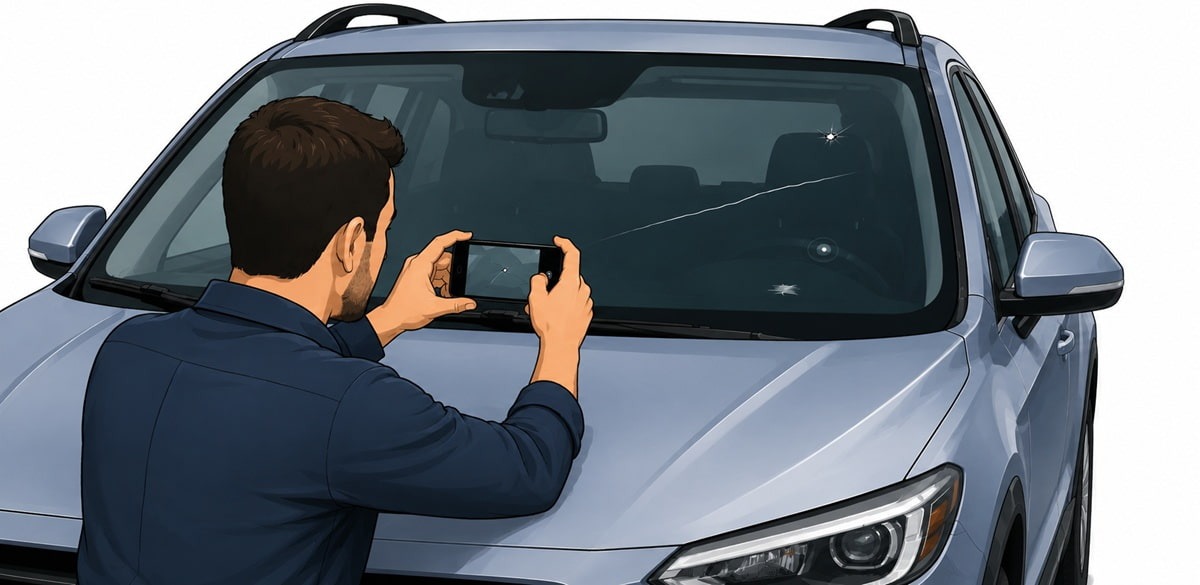
- Take clear photos or video of issues.
- Contact the original installer promptly.
- Seek a second professional inspection if necessary.
Do not ignore concerns. Acting early prevents more expensive replacements.
Why You Shouldn't Ignore a Bad Auto Glass Placement?
Overlooking warning signs can lead to:
- Insurance claim rejection
- Greater repair costs later
- Higher safety risks during accidents
- Lower resale value of your car
Insurance providers in Australia expect work to comply with Safety Standards.
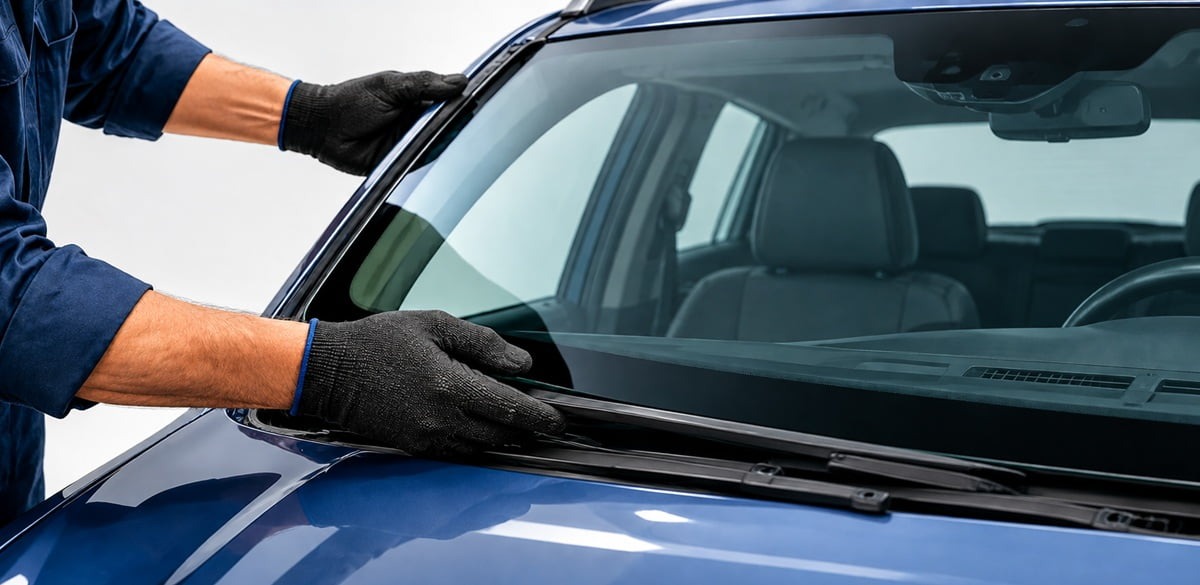
DIY vs Professional Auto Glass Installation
DIY windscreen placement may appear cheaper - but it carries a serious risk.
DIY Risks:
- Incorrect adhesive application
- No Advanced Driver Assistance Systems recalibration
- Poor sealing
- Non-compliance with Safety Standards
Professional Benefits:
- Certified tools and adhesives
- Compliance with AS/NZS 2080
- Correct curing procedures
- Trained technicians
- Workmanship warranty
Auto glass repair requires expertise — not guesswork.
How to Ensure a Professional Auto Glass Placement?
Choose providers who:
- Employ trained and certified technicians
- Use OEM or OEM-equivalent auto glass
- Follow manufacturer's placement guidelines
- Allow proper curing time
- Perform ADAS recalibration
- Offer a written warranty
These steps protect vehicle safety and extend windscreen life.
Industry Standards & Regulations in Australia
Professional windscreen replacement must comply with:
- AS/NZS 2080 Safety Standards
- Manufacturer placement procedures
- Approved urethane adhesives
- Insurance-approved practices
- ADAS calibration requirements
These guidelines exist to ensure driver and passenger safety across Australia.
What to Expect from a Professional Technician?
A qualified technician will:
- Inspect your vehicle before removing old glass
- arefully remove existing windscreen
- Clean bonding surface thoroughly
- Apply adhesive evenly
- Install and position new auto glass precisely
- Perform safety checks and ADAS recalibration
- Provide clear aftercare instructions
Professional mounting is methodical — never rushed.
FAQs
Q1: Can a bad windscreen installation be fixed?
A: Yes. In most cases, removal and reinstallation or a full change is required.
Q2: Will insurance cover a second windscreen replacement?
A: If the original installation was faulty, some insurers may cover corrective replacements.
Q3: What if the shop won’t fix their mistake?
A: Seek independent inspection documentation and escalate through insurance or consumer protection channels.
Q4: How can I tell if my windscreen was installed incorrectly?
A: Look for wind noise, leaks, misalignment, or ADAS warning lights.
Q5: Is wind noise after a windscreen change normal?
A: No. Proper placement eliminates excess noise.
Q6: How long does adhesive take to cure?
A: Most approved urethane adhesives require several hours, sometimes up to 24 hours, for full strength.
Q7: Can a bad installation affect airbags?
A: Yes. The windshield supports airbag deployment direction.
Q8: Is ADAS recalibration mandatory?
A: For vehicles with ADAS cameras, recalibration is essential after replacement.
Q9: How soon can I drive?
A: Only after the technician confirms safe drive-away time.
Q10: What certifications should technicians have in Australia?
A: Training aligned with AS/NZS 2080 and manufacturer placement guidelines.